
Manage the stack without losing the story behind it.
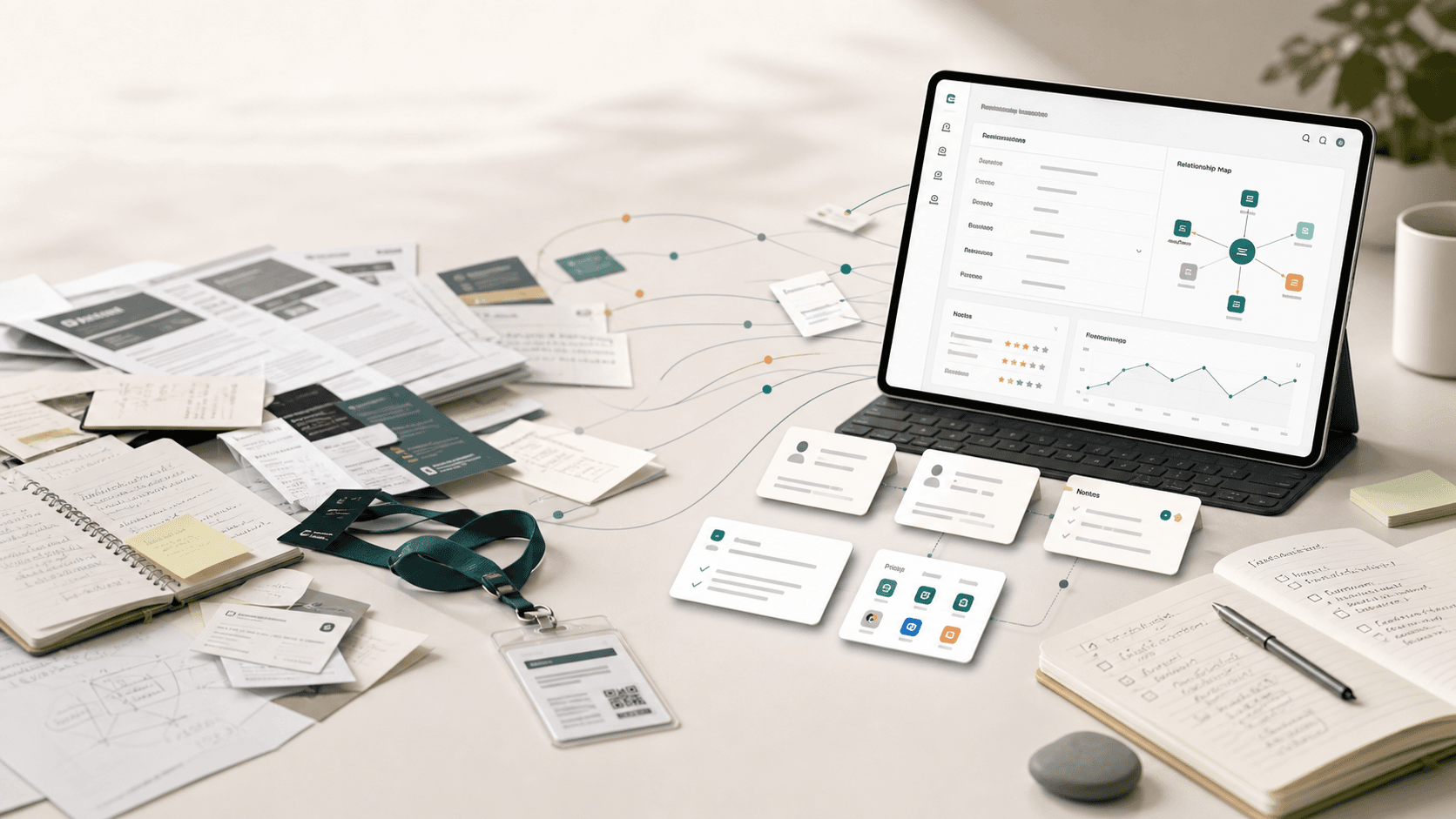
StackTrack gives every product, platform, service provider, and vendor a private decision record, so your software stack is not just a list of tools. It is a searchable history of why each tool exists, what it replaced, who owns it, and what should happen next.
Track
Products, vendors, services
Preserve
Notes, pricing, decisions
Connect
Contacts, events, integrations
Why it matters
Most software inventories explain what exists, not why it exists.
A normal spreadsheet can tell you that a tool is active. It usually cannot tell you who evaluated it, what alternatives were rejected, what pricing was discussed, which team requested it, or why the decision made sense at the time.
StackTrack is built for the operational side of software stack management: recording the context around SaaS tools, vendor services, internal notes, integrations, renewal questions, and replacement decisions.
Private record
Keep internal software decisions separate from public profiles.
Your private notes, ratings, contacts, pricing details, and renewal concerns stay in your workspace. Public solution pages and anonymized community signals are useful for research, but they do not replace your own decision history.
That separation makes StackTrack useful for founders, operators, IT teams, procurement teams, and anyone who needs a reliable software stack tracker without turning private evaluation notes into public reviews.
What to track
The details that make a stack manageable.
Products
Active tools, retired tools, shortlists, replacement candidates, and software you are still evaluating.
Vendors
Company records, vendor contacts, sales conversations, service providers, agencies, consultants, and follow-up history.
Decisions
Chosen, rejected, replaced, archived, and revisited decisions with the reasons preserved for later.
Context
Pricing notes, integrations, renewal concerns, implementation risks, ratings, screenshots, event notes, and project ownership.
Better than a list
Designed for software memory, not spreadsheet maintenance.
Instead of rebuilding context every quarter
Open the record and see what happened the last time the tool, vendor, or category was evaluated.
Instead of relying on one owner
Keep decision rationale searchable so knowledge survives handoffs, hiring changes, and tool ownership changes.
Instead of vendor-led research only
Use public profiles and anonymized community signals as inputs while keeping your internal criteria and notes private.
Start free
Start with the tools you already use.
Add one product, one vendor, or one service provider. StackTrack becomes more useful as each note, contact, price, event, and decision connects back to the same software stack record.
Start tracking your stackExplore related StackTrack workflows