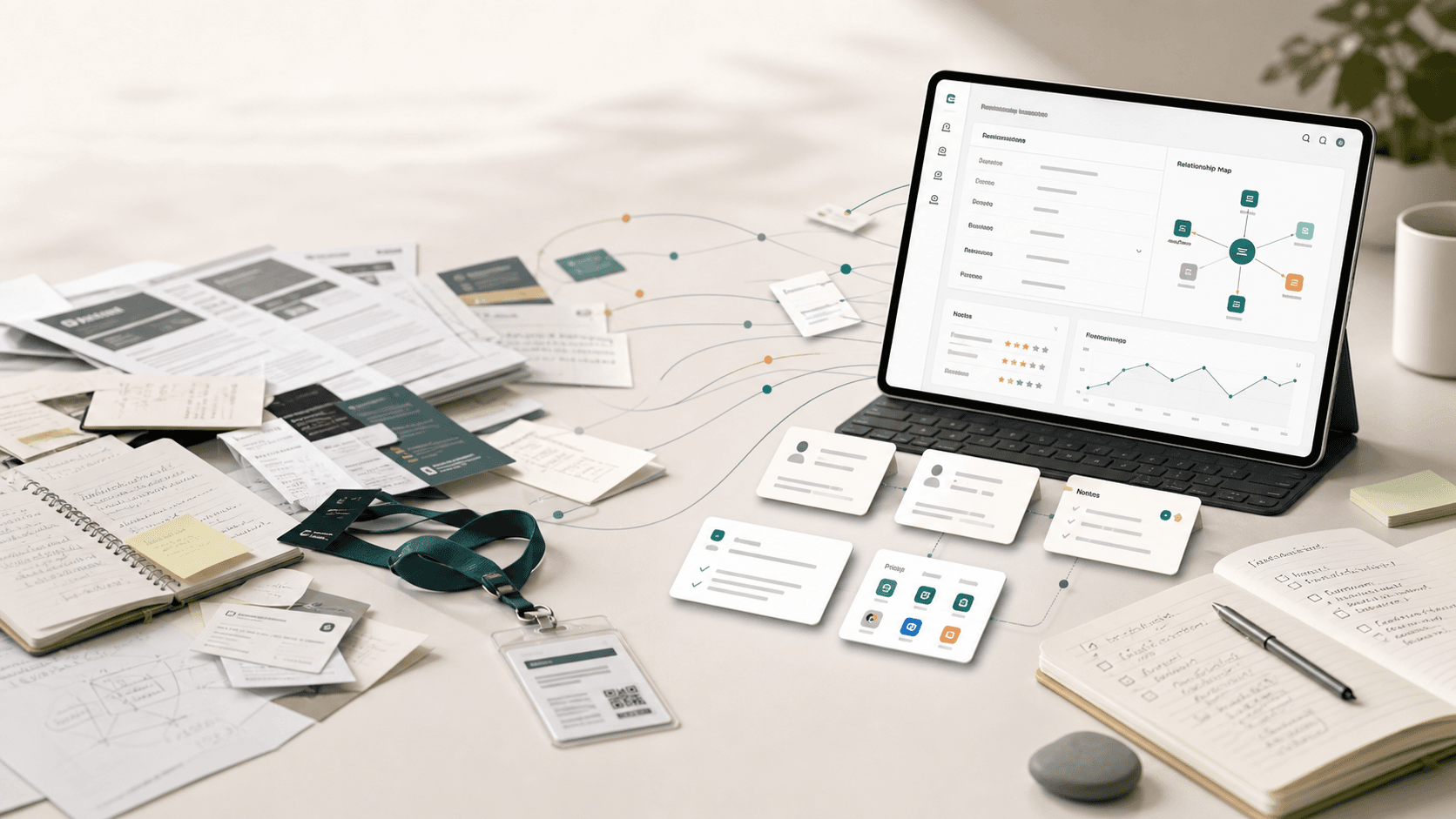
See what real evaluators notice without exposing private notes.
StackTrack combines private software research with opt-in anonymized community signals. When you view a solution, you can see patterns from similar evaluators. When you add your own research, you decide whether anonymized parts can help others.
Surface
Ratings, pros, cons
Compare
Alternatives and integrations
Protect
Private notes and identity
Different signal
Vendor pages show the polished story. Evaluators create the operational story.
Traditional review directories and vendor profile pages can be useful, but they often center the information vendors want buyers to see. StackTrack adds another layer: anonymized patterns from people actively saving, comparing, rejecting, replacing, and revisiting tools.
That means a solution page can show more than public marketing claims. It can surface common concerns, saved alternatives, integration patterns, replacement history, adoption signals, and the reasons similar evaluators moved forward or passed.
Opt-in sharing
Your private workspace stays private unless you choose to contribute.
StackTrack is private by default. Your notes, contacts, pricing, projects, screenshots, internal rationale, and identity are not turned into public review content.
If you choose to contribute, StackTrack can use anonymized parts of your evaluation to improve community insight for other buyers and operators. The goal is useful shared signal without exposing the private record behind it.
What appears
Community data that helps during research.
Ratings
Aggregated scores and sentiment from opted-in evaluation activity rather than vendor-submitted profile copy.
Pros and cons
Frequently mentioned advantages, friction points, concerns, and practical tradeoffs from real software research.
Alternatives
Other tools people saved, compared, rejected, replaced, or shortlisted while researching a similar category.
Patterns
Common integrations, replacement paths, adoption signals, and relationship patterns that help buyers ask better questions.
Trust boundary
Public signal should help research, not consume your private record.
When viewing a solution
Use anonymized community insights to understand what similar evaluators noticed, saved, compared, or replaced.
When entering information
Keep your workspace private by default, with the option to contribute anonymized signal when it is useful to others.
When comparing vendor claims
Balance the story a vendor publishes with patterns from people who evaluated the tool in real workflows.
Start free
Use shared signal without giving up private context.
Start researching a product, vendor, or category. StackTrack keeps your own decision memory private while giving you a way to benefit from anonymized patterns across similar evaluations.
Access community signalsExplore related StackTrack workflows